
GREEN LIVING ROOM
CLIMATE NARRATIVES &
EVERYDAY ECOLOGIES
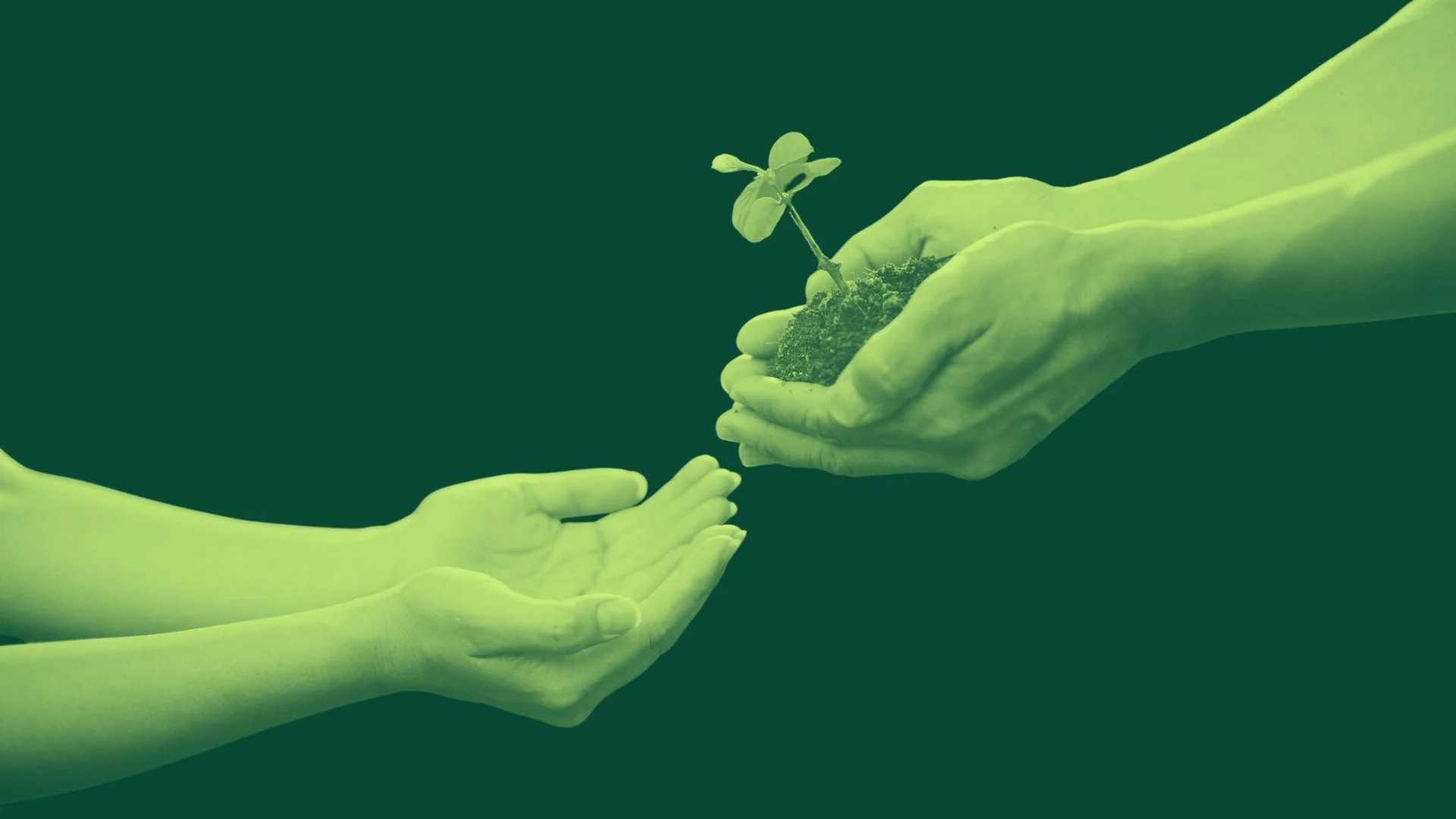
The Green Living Room is a four-week experimental program at Kulturrummet designed to connect scientific climate knowledge with everyday life through art, culture, and collaborative innovation. It is a place-based pop-up space where researchers, artists, creatives, activists, students, and citizens come together to explore how climate change intersects with our daily realities.
Program Structure
The program follows a design-driven innovation process with four phases, each lasting one week. Followed by a one-month public program.
Understand
How do we perceive and interpret climate change in everyday life?
19 — 25 Jan 2026
Ideate
How can creative thinking generate new solutions and alternative futures?
26 Jan — 1 Feb 2026
Prototype
How can we turn ideas into tangible forms and test potential solutions?
23 Feb — 1 Mar 2026
Share
How do we communicate climate stories and inspire collective action?
2 — 8 Mar 2026
Assembly
Public showcase and platform for engagement with an exhibition and a forum.
1 — 30 Apr 2026
The Program
-

Introduction to Futures-Making
COURSE
A hands-on 4-session study circle on imagining futures, building scenarios, and speculative design.
Tuesday
20 January, 27 January, 24 February and 3 March
17:30 – 19:00English
-

Coworking for the Future
OPEN DOORS
Free coworking every Monday in The Green Living Room. Explore a curated climate library and meet others.
Mondays
19 January, 26 January, 23 February, and 2 March
09:00 — 17:00
Sign up by clicking on the desired date above. -

Urgency Afterwork with Klimatklubben Helsingborg
AFTERWORK
We open the space every Thursday for an unusual afterwork — one that makes us pause, reflect, and dare to ask: what is urgent?
Thursdays
22 January, 29 January, 26 February, and 5 March
17:00 — 18:30Sign up by clicking on the desired date above
-

Challenge Lab 1: Avfallshantering i bostadsområden
WORKSHOPS
Ett labb i fyra träffar för bostadsbolag i Söder där vi utforskar bättre källsortering och hyresgästengagemang genom praktiska, kreativa metoder.
Endast via inbjudan -
Challenge Lab 2: Tillhörighet i naturen med Hej Främling!
WORKSHOPS
Ett labb i tre träffar tillsammans med Hej Främling! där vi utforskar tillhörighet i naturen – hur vi kan göra vardaglig tid utomhus enkel, inbjudande och meningsfull, utan att det kräver en planerad aktivitet.
Måndagar
26 Januari, 23 Februari, och 2 Mars
17:00 — 19:00Anmäl dig genom att klicka på det datum du vill delta på ovan.
-
Assembly & Harvest
OPEN DOORS - VARIOUS ACTIVITIES
Saturdays are for sharing, learning, and exchanging. Each Saturday features a different curated program with multiple sessions and activities throughout the day.
Saturdays
24 January, 31 January, 28 February, and 7 March
13:00 — 18:00
No registration required. Check the workshops on each day. -
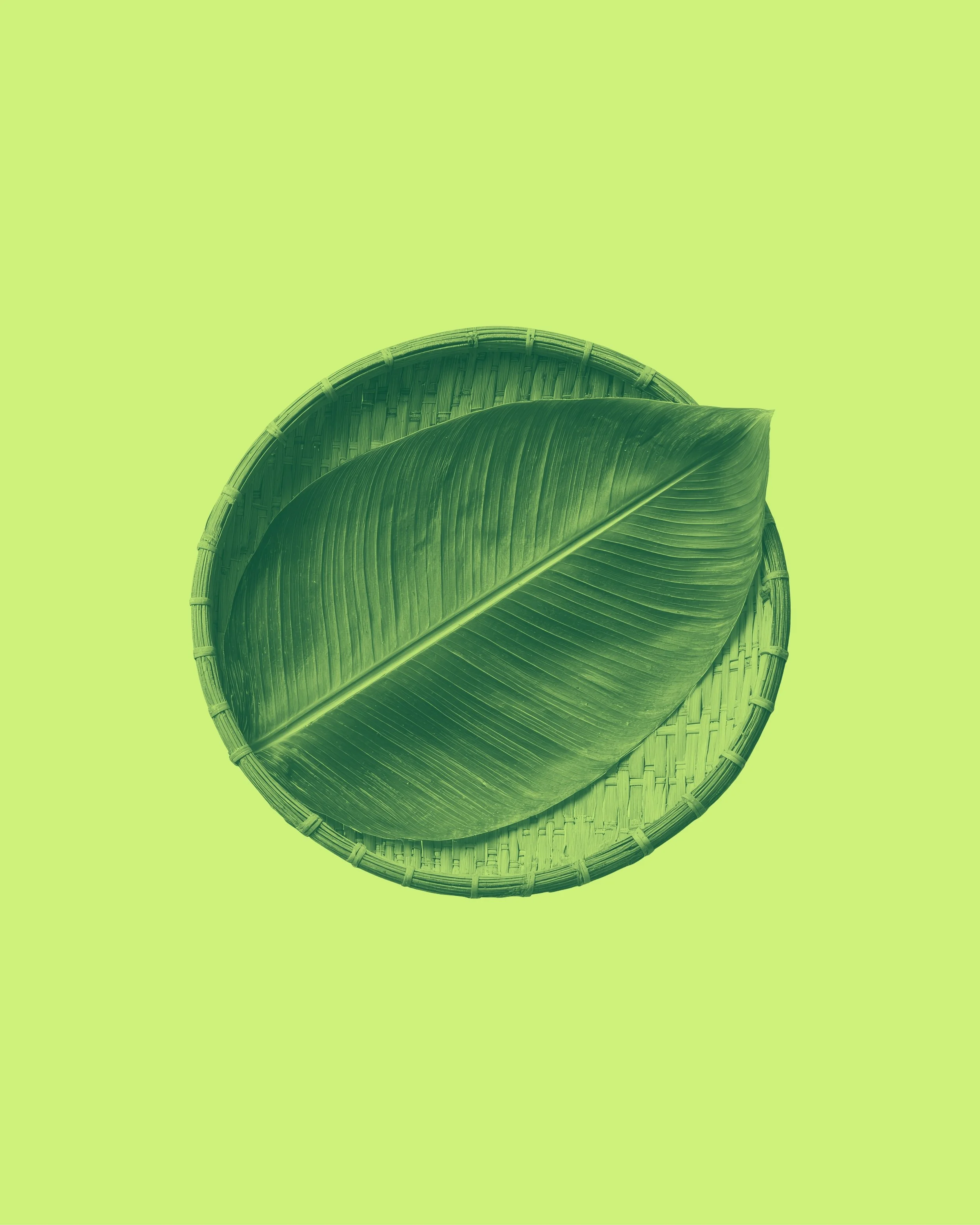
Are You Like Me, Dear Bamboo?
ECO-ART WORKSHOP WITH WARD ZARAA
An eco-art workshop exploring identity and our connection with nature through reflection, meditation, and hands-on making.
Saturday 31 January
16:00 — 18:00
English -

Thrutopian Storytelling
WORKSHOP WITH YVETTE LARSSON
A session on thrutopian storytelling — writing futures where characters turn real-world challenges into hope and action.
Saturday 31 January
14:00 — 16:00
English & Swedish
Sign up here -

Klimatanpassad Stad Fotoworkshop
En fotoworkshop om hur Helsingborg kan möta skyfall och översvämningar genom smarta blågröna lösningar. Vi börjar med en kort intro, går ut och fotograferar exempel i staden, och samlas sedan för reflektion, verktyg och idéer för hur vi kan kommunicera klimatanpassning i vardagen.
Saturday 28 February
14:00 — 16:00
Swedish -
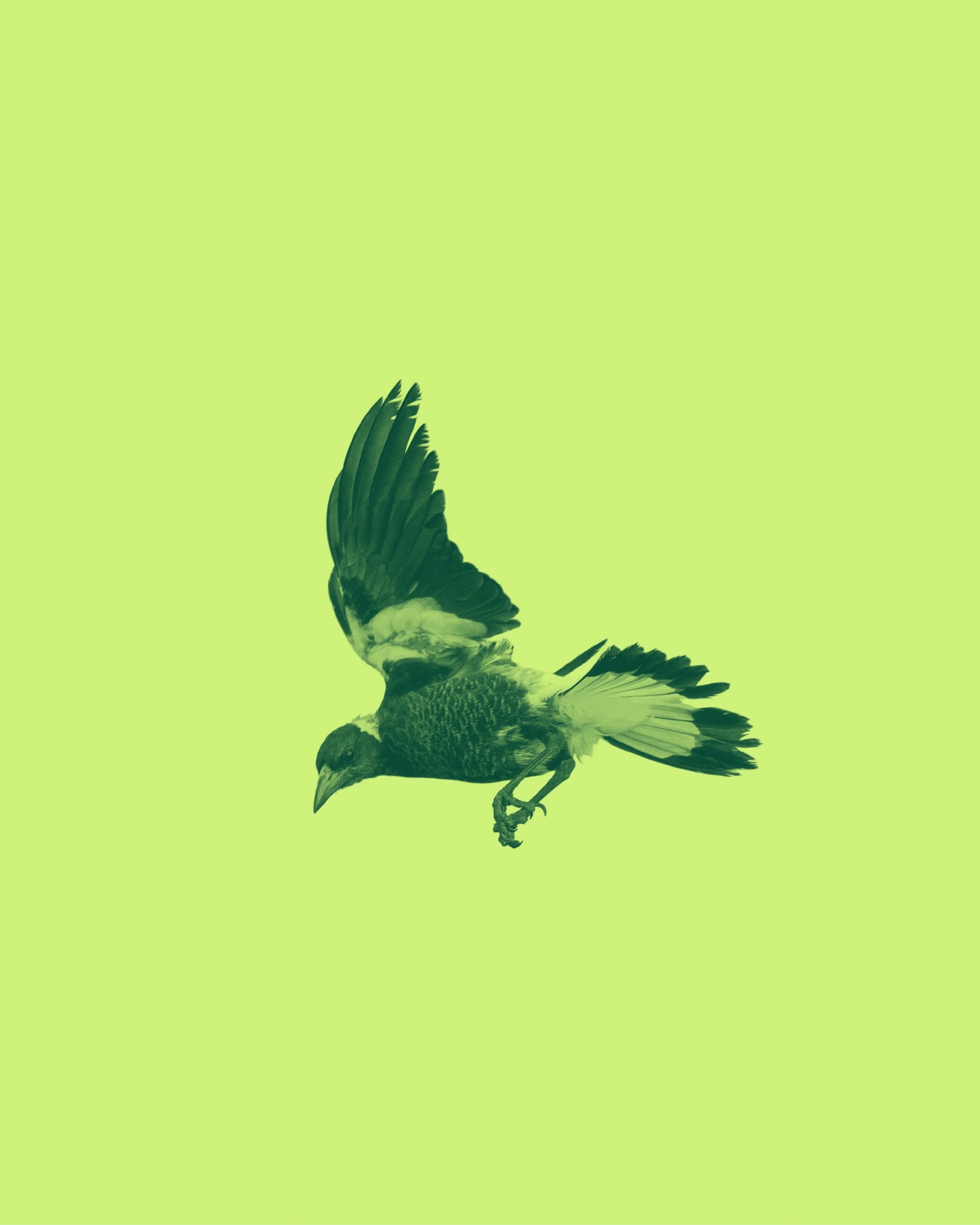
Make Like Magpies
WORKSHOPS WITH EDWINA PUTRI PRIMANANDA
Turning the Overlooked into Art - Creative workshops on reuse and learning from magpies—nature’s expert collectors. Turn overlooked materials into small artworks and contribute to a growing shared “nest.”
Saturday 28 February
Saturday 7 March
16:00 — 18:00
EnglishSign up by clicking on the desired date above.
-
Connecting with Climate Change Through a Nature Experience
WORKSHOP WITH FRANCHESCA SPETS
A hands-on session blending climate knowledge with reflection, storytelling, and sensory work with plants. Move beyond eco-anxiety and co-create simple micro-habits for everyday climate care.
Saturday 7 March
14:00 — 16:00
English -

Collective Practices Summer Camp
A summer camp on collective practices—how we gather, organize, and build community.
12-14 June 2026
English
Calendar
This project is implemented with the support of Klimatfonden by Helsingborgs Stad.
Project implemented by Kulturrummet in collaboration with Studiefrämjandet.

What do we mean by?
1. Climate Narratives: The stories and cultural expressions that shape how we understand and respond to climate change. Narratives can be scientific, personal, artistic, or political—and they deeply influence collective action.
2. Everyday Ecologies: The connections between daily habits (food, mobility, consumption) and local ecosystems. Focusing on the ecological footprint of ordinary life highlights opportunities for sustainable practices embedded in the community.
3. The Living Room: A metaphor for a space that is intimate, communal, and accessible—unlike a formal gallery or academic setting. In this context, it means creating a welcoming environment where climate issues are discussed as part of daily life, fostering shared ownership and participation.